

Website Traffic Dropped? How to Adapt After a Google Core Update
Your website was thriving—steady traffic, favorable search rankings, and then suddenly, a Google Core Update hits, and the numbers drop. Panic sets in, and you find yourself frantically searching for solutions. How do these updates impact your site, and what can you do to recover? The world of SEO is ever-changing, and a Google Core Update can significantly alter your website’s performance. Fear not. This article provides you with the necessary tools and strategies for “Google Core Update Recovery”. By focusing on content quality, technical SEO, user experience, and search intent, businesses can strengthen their websites and improve long-term search visibility.
Understanding Google Core Updates
Google Core Updates are significant changes made to Google’s search algorithms with the aim of improving the quality and relevance of search results for users. These updates are part of Google’s broad attempt to enhance user experience by fine-tuning how they assess and rank content. Unlike routine updates, Core Updates can significantly impact rankings across multiple industries and websites.
When a core update rolls out, you might notice changes in your site’s rankings as Google adjusts its judgments in areas like relevance and trustworthiness of content. Understanding how these updates function is the first step in adapting to them. It’s important to remember that core updates do not target specific pages or sites, but rather their modifications impact all websites based on their content and user experience elements.
How These Updates Alter SEO Landscapes?
The release of a Google Core Update can significantly transform the SEO landscape, which can seem daunting. One major impact is on how websites are ranked. These updates can shuffle rankings overnight, altering the visibility of sites across various sectors. Your primary focus should be on understanding and responding to these shifts.
Updates usually incorporate advancements in understanding content semantics, the inclusion of user-centric design principles, and improved methods of distinguishing authoritative sources. Such changes often mean that older SEO strategies may no longer be as effective, requiring you to reassess your approach.
Recognizing a Traffic Decline
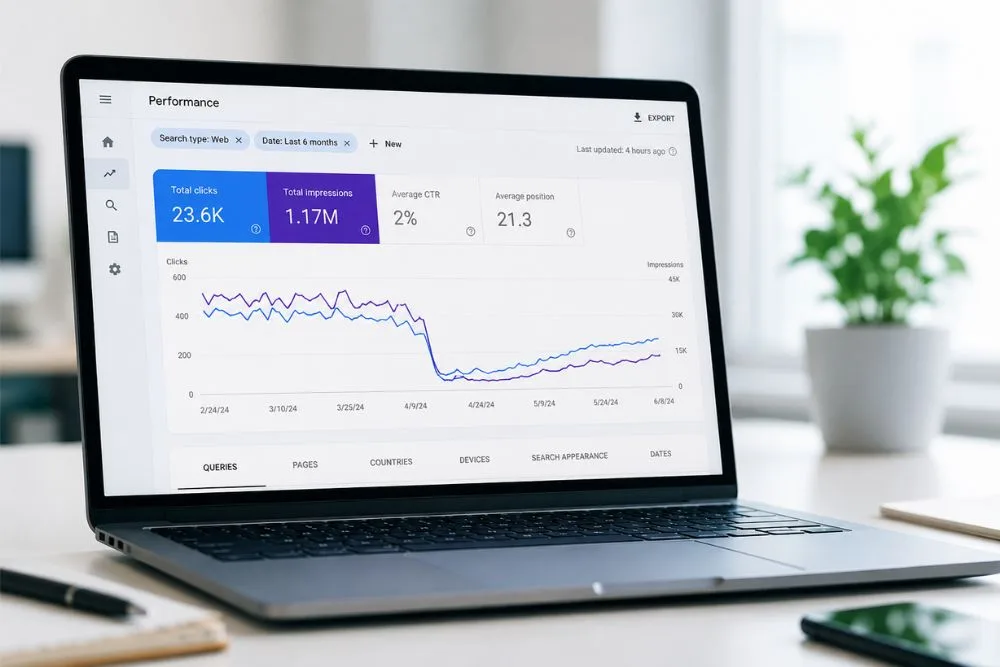
A sudden drop in traffic can be alarming, but before reacting, it’s crucial to confirm whether a Google Core Update is the cause. Track performance metrics using tools like Google Analytics and Google Search Console to identify changes in traffic patterns. Look for the specific time when the decline began—this will often correspond with the rollout of an update.
If ranking and traffic changes align with a confirmed Google Core Update, the update may be a contributing factor. Concurrently, you should examine other possible causes like seasonal audience changes or recent website modifications to ensure you’re addressing the correct issue.
Comprehensive Site Analysis
Following a traffic decline, a thorough site analysis is critical. Begin by auditing your website’s overall performance:
- Technical SEO: Assess loading speed, mobile responsiveness, and security features.
- Content Audit: Evaluate the relevance and quality of current content, ensuring it aligns with user intent.
- User Experience: Gather feedback on the usability of your site’s design and navigation structure.
This comprehensive analysis will help identify any weaknesses that could be causing drops in ranking and traffic.
Auditing Content Quality and Relevance
Content is king, and quality matters more than ever post-update. Review each piece of content using the E-A-T principle (Expertise, Authoritativeness, Trustworthiness) to determine its effectiveness. Content should provide accurate information, demonstrate expertise, and effectively address user search intent.
Regularly updating and refreshing content to reflect current information ensures continued relevance. Assess how you can integrate diverse content types, such as videos or infographics, to enhance engagement and information delivery.
Addressing Technical SEO Challenges
Technical SEO serves as the backbone of how search engines index your site. Post-update, ensure your site is technically sound:
- Site Speed: Speed is a ranking factor; optimize images and leverage browser caching to enhance load times.
- Responsive Design: With the mobile-first indexing approach, ensure your site caters effectively to mobile devices.
- Structured Data: Use schema markup to help search engines better understand your content.
These strategies help boost your site’s readiness to meet Google’s SEO criteria.
Implementing Recovery Tactics
Now, it’s time to craft a recovery strategy. Start by prioritizing the pages most affected by rankings decline. Assess these pages for content depth and relevance. Re-optimize them by adding new information, answering common user queries, and refining keyword targeting for better alignment with user intent.
Focus on building high-quality backlinks to restore site authority. Also, engage in proactive outreach to your audience, potentially through social media, to drive traffic while waiting for rankings to recover.
Creating Content That Aligns with User Expectations
Understanding and meeting user expectations post-update is crucial. Review search trends, competitor content, and audience needs to understand what users are looking for. Use audience insights tools to comprehend user behavior and preferences better.
Develop content that speaks directly to your audience’s interests and pain points. A mix of educational, entertaining, and engaging formats can ensure audience retention and satisfaction, signaling to Google that your site delivers the sought-after value.
Enhancing Site Accessibility and Performance
Site accessibility is becoming a pivotal factor in SEO. Accessibility best practices such as descriptive alt text, clear navigation, readable content, and keyboard-friendly functionality can help make websites more usable for all visitors.
Furthermore, enhance site performance by streamlining code and utilizing content delivery networks (CDNs) to distribute content more effectively, reducing lag times, and ensuring a seamless user experience.
Strategic Planning for Ongoing Success
Effective recovery demands not just short-term fixes but long-term strategies. Invest time in content planning, considering areas where you can continuously serve user needs with high-quality content. Prepare your site for future updates by staying agile and ready to adapt to changes in the SEO ecosystem.
This dynamic approach should also involve regularly scheduled audits and updates to your site content, ensuring that you remain competitive and pertinent in a rapidly changing landscape.
Keeping Abreast of Industry Trends
Remaining informed on industry trends is indispensable for Website Traffic Solutions. Subscribe to SEO news outlets, follow industry leaders on social media, and participate in SEO forums. Frequent monitoring of algorithm update announcements will equip you with a proactive approach rather than a reactive one.
Yet, beyond staying informed, be analytical and critical of which trends align best with your goals and audience. Using trend insights strategically can lead to more informed decisions for long-term traffic improvements and SEO success.
In conclusion, while Google Core Updates may initially disrupt website traffic, understanding their mechanics and impacts provides a pathway for “Google Core Update Recovery”. By reviewing content quality, technical SEO, and user experience, businesses can strengthen their websites and improve long-term performance. By focusing on content quality, technical SEO fundamentals, and audience alignment, you can transform potential setbacks into opportunities for improvement. Remember, in the digital realm, constant evolution and adaptability are your greatest assets for sustained success.
Frequently Asked Questions (FAQs)
1. What is a Google Core Update?
A Google Core Update is a broad change to Google’s search algorithms designed to improve the quality and relevance of search results. These updates can impact website rankings across multiple industries and may lead to fluctuations in organic traffic.
2. How can I tell if a Google Core Update caused my traffic drop?
You can compare your traffic and ranking data in tools like Google Analytics and Google Search Console with the dates of recent Google Core Updates. If the decline aligns with a confirmed update, it may be a contributing factor.
3. How long does it take to recover from a Google Core Update?
Recovery timelines vary depending on the issues affecting your website and the improvements made. Some websites see gradual improvements within weeks, while others may need to wait until future algorithm updates to experience significant ranking gains.
4. What should I focus on after a Google Core Update?
Focus on improving content quality, aligning pages with search intent, fixing technical SEO issues, enhancing user experience, and ensuring your website demonstrates expertise, authority, and trustworthiness.
5. Can technical SEO improvements help recover lost traffic?
Yes. Optimizing site speed, mobile responsiveness, structured data, accessibility, and overall website performance can improve user experience and help search engines better understand and rank your content.