

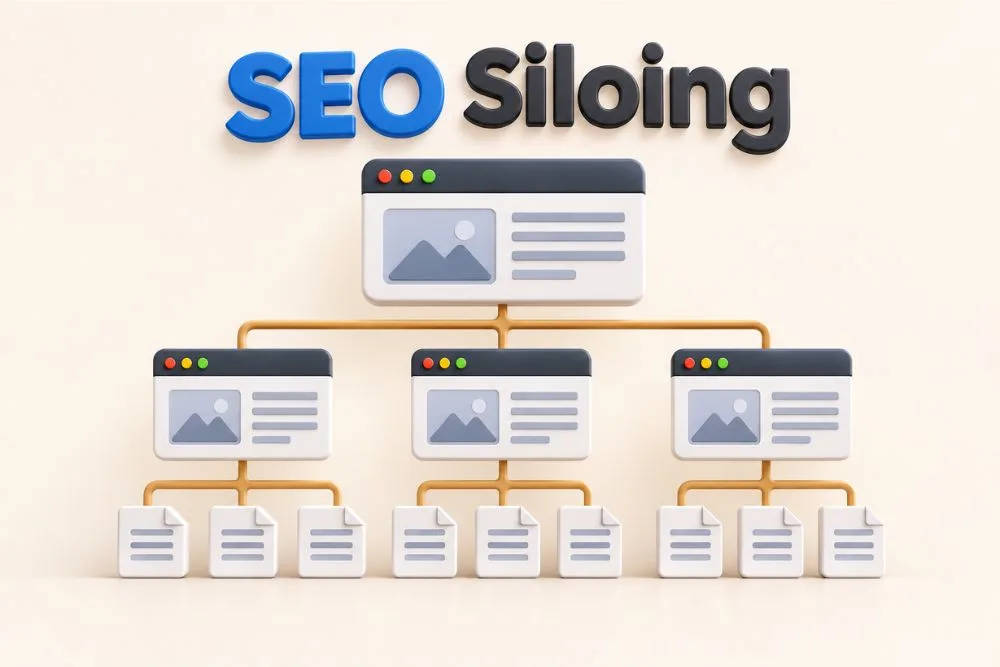
The Power of SEO Siloing: Building Stronger Topical Authority
Achieving higher search engine rankings requires more than publishing quality content and targeting relevant keywords. One of the most effective strategies to climb to the top of search results is establishing a strong topical authority. A well-structured SEO silo architecture helps search engines better understand the relevance, context, and depth of your content while improving website navigation and user experience. By adopting this approach, businesses can build their credibility, improve organic search visibility, and establish themselves as authoritative sources within their industry.
The Importance of Topical Authority in SEO
Topical authority refers to the level of credibility, expertise, and trustworthiness a website has in a particular subject area. When your site demonstrates in-depth and comprehensive coverage of a topic, search engines are more likely to recognize it as a reliable source. This can improve your visibility and ranking potential.
Building topical authority goes beyond content creation; it involves creating valuable, relevant, and well-structured content that addresses a wide range of user queries and information needs of your targeted audience.
Search engines like Google prioritize websites that provide valuable and reliable information consistently. This is achieved by focusing on specific topics and exploring them in detail, rather than covering a wide range of unrelated subjects. By dominating a particular niche, you improve your website’s chances of ranking for relevant search queries. Therefore, understanding and implementing a strong topical authority strategy is crucial for any business aiming to achieve long-term digital presence.
Understanding SEO Silo Structure
An SEO silo structure involves organising website content into distinct categories based on specific themes or topics. Each silo acts as a pillar of information dedicated to a particular subject area, making it easier for both search engines and users to find all relevant data. This structured approach helps search engines understand the website’s content hierarchy and relationship between different pages. It also enhances user experience by simplifying navigation and explore products effortlessly.
An effective SEO silo structure begins with broad topics on top-level pages, which branch out into more specific and detailed subtopics on supporting pages. This hierarchical arrangement organizes website content in a logical and accessible manner. Internal linking within each silo is also vital, as it strengthens the connections between related pages and helps search engines understand their relevance. Structuring your website architecture in this way can improve search engine crawlability and thereby strengthen overall topical authority.
Benefits of a Siloed Website Architecture
Implementing a siloed architecture for your website offers several benefits that can significantly improve your SEO performance and user experience. Here are some key advantages:
- Enhanced Relevance: Siloing ensures that all related content is grouped, strengthening thematic relevance, which search engines value highly.
- Improved Navigation: A well-organized content structure provides users with a seamless navigation experience, allowing them to find information quickly.
- Higher Engagement: By leading users through logically connected topics, you increase the chances of them staying longer on your site, thus reducing bounce rates.
- Better Indexability: A siloed architecture assists search engines in crawling and indexing your site efficiently, improving the overall visibility of your content.
- Strengthened Internal Linking: Effective internal linking within silos boosts page authority and strengthens overall topical authority.
Building a Content Hierarchy for Stronger SEO
Developing a well-organized content hierarchy is essential for implementing a successful SEO silo strategy. To achieve this, consider the following steps:
Firstly, conduct thorough keyword research to identify core topics and subtopics relevant to your niche. Use Primary keywords to develop top-level pages, while long-tail keywords can be used for creating detailed supporting pages. This approach helps organise website content into relevant categories while establishing meaningful connections between related pages.
Next, prioritize content creation around these keywords and ensure each piece logically aligns with its parent topic. Develop pillar pages that cover broader themes, as they serve as the central information hub linking to relevant supporting pages. Additionally, ensure that your site structure and URL formatting reflect content hierarchy. Neat, readable URLs enhance the user experience and provide clear information to search engines about the content on your pages.
Implementing a Topical Authority Strategy
To make the most of topical authority, it is crucial to implement a strategy that focuses on depth, relevance, and comprehensive coverage of your chosen topics. Begin by strengthening your core areas of expertise with high-quality content that addresses potential questions or concerns of your target audience. Ensure the content is thoroughly researched, carefully crafted, and regularly updated to remain relevant.
A successful topical authority strategy requires active engagement with your audience. Use surveys, social media interactions, and user feedback to gain insights into your audience’s interests and challenges. Develop your content based on these insights to address them and fill gaps in commonly searched queries.
Collaborating with reputable websites and earning high-quality backlinks can enhance your topical authority. Additionally, promoting your content across various platforms helps to extend your reach and reinforce your industry expertise.
Analyzing Your Website’s Current Structure
Before implementing a new SEO strategy, evaluate your current website structure to identify areas for improvement. Begin by auditing the content to determine which pages and topics are performing well and which need optimization. Tools like Google Analytics and Google Search Console can provide valuable insights into page performance and traffic sources.
Review the organization of your content and assess whether related topics are arranged in a logical hierarchy. Creating a visual map of your website architecture can help identify content overlaps, structural gaps, and opportunities for improvement.
Additionally, evaluate your internal linking strategy to ensure that links guide users logically from one related page to another, strengthen topical relevance, and improve the overall user experience.
How to Develop Effective Content Silos?
Creating effective content silos requires careful planning and execution. Start by categorizing your website’s primary products or services into distinct thematic areas that reflect your core business focus and areas of expertise.
Develop comprehensive pillar pages for each category, introducing broader topics and linking to detailed supporting pages. Ensure that related content works harmoniously through strategic internal linking to strengthen topical relevance.
Regularly monitor content performance and continuously review and update existing pages to ensure they remain accurate and relevant to users. Identify new content opportunities to address information gaps and answer emerging user queries related to your business domain.
Measuring the Success of Your SEO Efforts
Tracking the performance of your SEO siloing strategy is essential to identify its effectiveness and refine your approach over time. Use analytics tools to track organic traffic growth, keyword rankings, and user engagement metrics such as average session duration, page views per session, and bounce rates. Additionally, evaluate conversion rates to understand how effectively your content converts visitors into customers. Assess the quality and quantity of backlinks to measure credibility and authority.
Consistently analysing these metrics helps identify high-performing content silos and areas that require modifications, enabling you to refine your strategy for long-term SEO success.
Conclusion
SEO siloing is an effective strategy for building stronger topical authority, improving website architecture, and enhancing organic search visibility. By conducting thorough keyword research, developing comprehensive pillar pages, grouping related content, and implementing strategic internal linking, businesses can help search engines better understand their expertise while delivering a smooth browsing experience.
Regular content audits, performance monitoring, and timely updates are equally important to maintain content relevance and credibility. An effective SEO silo strategy enables businesses to strengthen their credibility, attract relevant organic traffic, and achieve sustainable search engine performance.
Frequently Asked Questions
1. What is SEO siloing, and how does it work?
SEO siloing is a website structuring strategy that involves organising website content into distinct categories based on specific themes or topics. It connects pillar pages with relevant supporting pages through strategic internal linking, helping search engines understand content hierarchy and enhance user experience.
2. How does SEO siloing help build topical authority?
SEO siloing helps build topical authority by providing in-depth exploration of a specific subject through interconnected, high-quality content. This structured approach demonstrates subject matter expertise, strengthens content relevance, and improves the website’s potential to rank for related search queries.
3. What are the key benefits of implementing an SEO silo structure?
An effective SEO silo structure improves website navigation, search engine crawlability, content discoverability, and internal linking. It also enhances user engagement, strengthens topical relevance, and improves organic search visibility.
4. How can businesses create an effective SEO silo structure?
Businesses should begin by conducting thorough keyword research and organizing their content based on primary products, services, or areas of expertise. Creating comprehensive pillar pages, developing relevant supporting content, and logically connecting internal links are essential steps in building effective content silos.
5. How can you measure the success of an SEO siloing strategy?
The success of an SEO siloing strategy can be measured by tracking organic traffic, keyword rankings, user engagement, conversion rates, and backlink quality. Tools such as Google Analytics and Google Search Console can help evaluate content performance and identify areas requiring further improvement.