

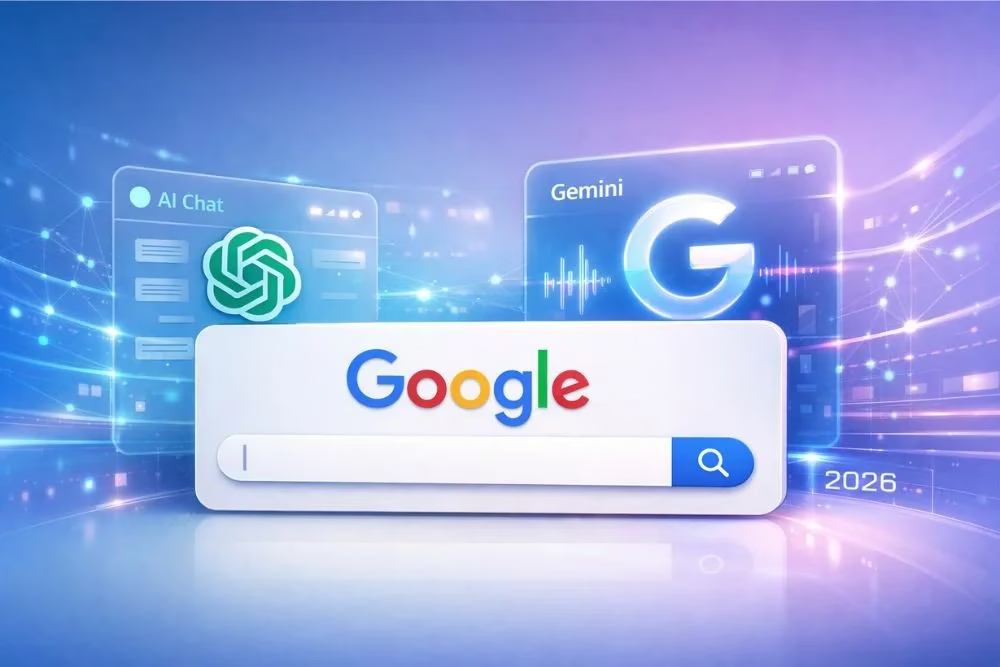
Google Is No Longer the Default Choice Among Search Engines in 2026
For a long time, Google was the starting point for almost everything online. Questions, shopping research, directions, learning new skills—people instinctively opened Google for it all. The phrase “just Google it” became part of everyday conversation. But in 2026, this habit is slowly fading. While Google is still widely used, it is no longer the automatic choice for many users. Search behavior has changed, and new platforms are shaping how people look for information.
Why Most people left Search Engines?
One of the biggest reasons behind this change is the rise of AI tools like ChatGPT and similar software. Users today want quick, clear answers without having to click multiple links or read long articles. AI tools provide direct responses, summaries, comparisons, and explanations in a conversational format.
Instead of searching “best laptop under budget” and opening five different websites, users now ask AI tools and get a clear, structured reply in seconds. This feels more efficient and less tiring, especially for people who search frequently for work, learning, or daily tasks.
AI tools are also being used for more than basic questions. People rely on them for writing emails, planning trips, understanding documents, coding help, and even personal advice. This kind of experience goes beyond what traditional search engines were designed for.
The Shift from Search Engines to AI
People are no longer searching the web the way they used to. Instead of opening a search engine and scanning through links, many now turn directly to AI platforms like ChatGPT to get answers. These tools don’t just explain things—they also help generate images, videos, text, and even code, all in one place. Most AI platforms offer free credits or fair usage limits, making them easily accessible for everyday needs. This change is reflected in the language people use too. “Just Google it” is slowly being replaced by “just use ChatGPT.” The shift is not limited to personal use. Workplaces are increasingly relying on AI tools for coding help, research, documentation, and problem-solving, making AI a daily companion rather than just a search alternative.
Search Is Happening Inside Apps
Another major reason Google is losing its default position is where searching now happens. People no longer need to leave their favorite apps to look things up.
WhatsApp, for example, has become a common place for searching. With Meta AI integrated, users can ask questions directly in a chat window. Whether it’s checking facts, finding quick ideas, or understanding something, the search feels informal and instant.
Meta AI on Instagram and Facebook also plays a big role. Users can ask questions while scrolling through posts or reels, making discovery feel natural and connected to the content they are already viewing. This in-app search experience is especially popular among younger users who spend most of their time on social platforms.
Why Google Feels Less Helpful to Some Users?
Many users feel that Google search results are no longer as simple as they used to be. Pages are often filled with ads, sponsored results, and content written mainly to rank well rather than to genuinely help.
Finding a clear answer sometimes means scrolling past multiple sections, pop-ups, and long introductions. Compared to this, AI tools feel more focused. They respond directly to the question without distractions.
There is also a growing trust in conversational answers. Users like being able to ask follow-up questions instead of refining keywords again and again.
What This Change Means for Businesses?
For businesses, this shift is important. Relying only on Google traffic is becoming risky. People are discovering brands through AI tools, social platforms, videos, and messaging apps.
Content now needs to be easy to understand, useful, and structured in a way that AI tools can reference. Businesses that focus only on traditional SEO tricks may struggle, while those that focus on real value and clarity are more likely to stay visible across platforms.
A New Way of Searching Is Taking Shape
In 2026, search is no longer one action done on a single website. It happens across AI tools, social media apps, and chat platforms. Users choose whatever gives them the fastest and clearest answer at that moment.
Google still matters, but it is now one option among many—not the default starting point it once was.
Will Users Leave Google Forever?
The short answer is no. Google is unlikely to disappear, and it will continue to be useful for many types of searches. However, users are no longer loyal to one platform. They choose based on convenience, speed, and experience.
The future of search is flexible. Users move between Google, AI tools, social apps, and chat platforms depending on their needs. Google will need to adapt to this new reality—just like everyone else.