

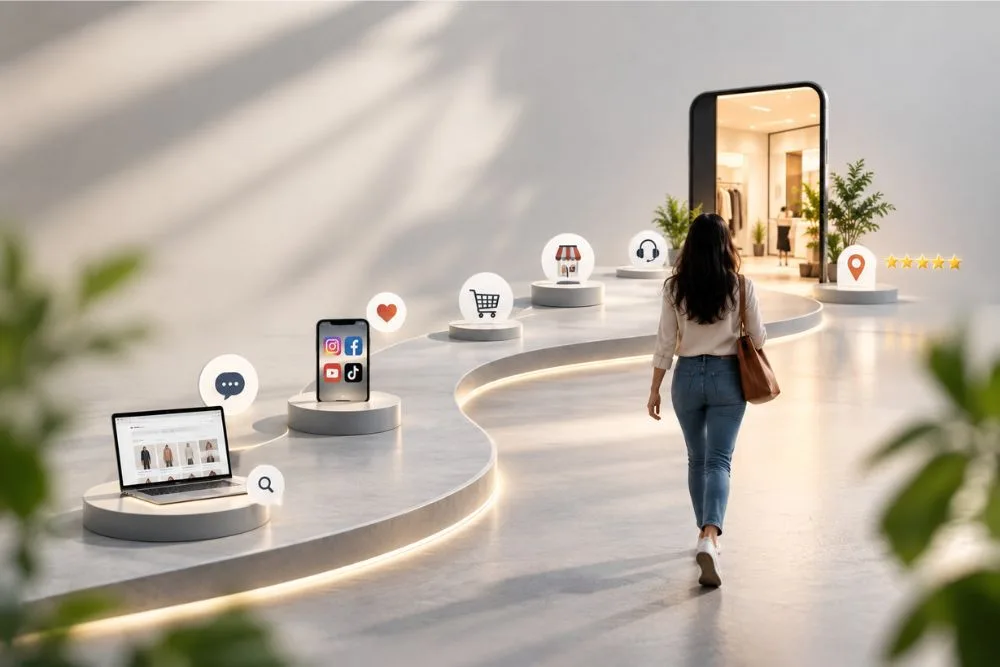
The Customer Journey Has Changed. Is Your Marketing Keeping Up?
Technology is changing how consumers discover, evaluate, and interact with businesses. This evolution demands an equally agile response from marketers. With the advent of digital transformation in sales, you are faced with both challenges and opportunities in crafting new pathways for customer engagement. It’s become imperative to reassess and realign your marketing strategies to keep up with these evolving consumer pathways. To thrive in this dynamic environment, you’ll need to understand the changes in customer expectations, utilize innovative marketing tools, and adapt to a multi-channel approach, ensuring that your strategies are as agile and forward-thinking as those you seek to market to.
What Today’s Customers Expect?
In today’s digital era, the expectations of customers are not only elevated but also significantly altered. Consumers demand a seamless experience that is both personalized and efficient. You must recognize that these customers have access to an abundance of information and choices at their fingertips, which empowers them to be more selective and vocal about their preferences.
The customer journey is no longer linear; it often moves across multiple channels and touchpoints before a purchase. Customers expect:
- Immediate Response: With the integration of AI and chatbots, consumers anticipate rapid interaction and resolution of their queries.
- Personalization: Tailored experiences that reflect personal preferences and past interactions are now standard expectations.
- Omni-channel Presence: Consistency across all platforms—from websites to social media—is crucial for a unified experience.
- Transparency and Trust: Consumers value honesty and expect companies to demonstrate ethical practices.
- Value and Convenience: Customers are always looking for the best deal without compromising on quality, and they desire this with maximum convenience.
Meeting these expectations is crucial to stay relevant in the market. The companies that can seamlessly integrate these demands into their operations will likely see growth in customer loyalty and retention.
Smarter Marketing with Digital Tools
The accelerating pace of technological innovation offers you numerous tools and platforms to enhance your marketing strategies. Leveraging these tools smartly is pivotal for engaging contemporary customers effectively.
Digital tools provide a wealth of analytics and data-driven insights that can help you better understand consumer behavior. Here are ways to utilize these tools to your advantage:
- Data Analytics: Use platforms like Google Analytics or customer relationship management (CRM) software to gather and analyze data, granting insights into customer behavior and preferences.
- AI and Machine Learning: Implement AI-based solutions to predict trends, optimize content delivery, and offer personalized recommendations.
- Social Listening: Employ tools such as Hootsuite and Brandwatch to actively monitor and respond to conversations about your brand on social media.
- Email Automation: Utilize email marketing tools for automating customer engagement and driving targeted campaigns based on behavioral triggers.
These tools allow for a smarter approach to marketing, offering precision and scale that traditional methods simply cannot match. By employing digital tools effectively, you can deliver more impactful and meaningful customer interactions.
Creating Better Customer Experiences
Efforts to enhance customer experience are pivotal in ensuring your brand stands out in a competitive marketplace. An exceptional customer experience not only ensures satisfaction but also cultivates loyalty and advocacy for your brand.
There are strategic ways to improve customer experiences:
- User-Centric Design: Focus on creating intuitive, user-friendly interfaces on your digital platforms to enhance usability and satisfaction.
- Feedback Mechanisms: Implement channels for customer feedback and actively use it to improve your offerings and service delivery.
- Consistent Branding: Ensure your brand message and experience are consistent across all touchpoints, enhancing trust and recognition.
- Empathic Communication: Train customer service teams to engage with empathy, ensuring customers feel valued and understood.
Ultimately, crafting a memorable customer experience requires a proactive and detailed approach, ensuring every interaction reflects the brand’s commitment to meet customer needs and exceed expectations.
Winning Across Multiple Channels
In a world where consumers interact with brands through various touchpoints, mastering multi-channel marketing is indispensable. It helps to create a cohesive brand presence and ensures you reach your audience wherever they are.
To succeed across multiple channels, consider the following strategies:
- Integrated Marketing Campaigns: Develop campaigns that seamlessly merge various channels, from emails and social media to in-store experiences.
- Channel-Specific Content: Create distinctive content tailored to the unique characteristics and audiences of each platform.
- Unified Customer Data: Maintain a centralized data system to deliver personalized interactions at every touchpoint.
- Cross-Department Collaboration: Foster cooperation between marketing, sales, and customer support teams to ensure consistent messaging and response.
By effectively managing multiple channels, you can amplify your reach and ensure that your brand remains omnipresent in the customer’s journey.
Making Sales and Marketing More Agile
Agility in marketing and sales is essential to adapt to the rapidly evolving consumer landscape. An agile approach not only enhances efficiency but also empowers you to respond quickly to market changes and innovate continuously.
Key aspects of embracing agility include:
- Rapid A/B Testing: Implementing fast-paced testing frameworks for campaign optimization and data-driven decisions.
- Flexible Strategies: Developing adaptive marketing plans that allow for quick pivots based on real-time data and insights.
- Lean Teams: Organizing small, cross-functional teams that encourage collaboration and enable quick decision-making.
- Continuous Learning: Fostering a culture of learning and experimentation within your team to stay ahead of trends and innovations.
By making your marketing efforts more agile, you ensure that your strategies remain relevant, responsive, and capable of capturing the shifting dynamics in consumer behavior.
Staying Ahead of Customer Trends
To maintain a competitive advantage, staying ahead of consumer trends is not just beneficial—it’s crucial. This foresight allows you to anticipate changes and position your brand as a leader in innovation and customer satisfaction.
Strategies to remain ahead include:
- Market Research: Regularly conducting comprehensive research to identify emerging trends and consumer demands.
- Trend Analysis: Leveraging analytics tools to monitor and analyze shifts in consumer behavior and preferences.
- Cultural Engagement: Engaging with cultural movements and trends relevant to your audience to keep your brand relatable and current.
- Innovative Partnerships: Collaborating with tech companies and innovators to integrate emerging technologies and solutions into your marketing strategies.
By actively seeking out and embracing the latest trends, you can not only meet current consumer expectations but often surpass them, ensuring your brand retains its relevance and appeal.
In conclusion, understanding the evolving consumer pathways and adjusting your marketing strategies accordingly is not just a necessity—it’s a strategic advantage. By using digital tools and focusing on customer engagement, businesses can create more personalised, efficient, and consistent experiences. Keeping pace with technological advancements, maintaining agility across marketing efforts, and staying attuned to emerging trends will empower you to lead in today’s competitive marketplace. Remember, the key to success lies in how effectively you can adapt and innovate—to not just meet, but exceed the expectations of today’s savvy consumers.
Frequently Asked Questions (FAQs)
1. How has the customer journey changed?
The customer journey is no longer linear. Consumers now interact with brands across multiple channels and touchpoints before making a purchase, often comparing information and options along the way.
2. What do today’s customers expect from businesses?
Customers increasingly expect fast responses, personalised experiences, consistent communication across channels, transparency, convenience, and strong value.
3. How can digital tools improve marketing strategies?
Tools such as analytics platforms, CRM systems, AI solutions, social listening tools, and email automation can help businesses understand customer behaviour and deliver more targeted experiences.
4. Why is multi-channel marketing important for the modern customer journey?
Multi-channel marketing helps businesses maintain a consistent presence across platforms such as websites, social media, email, and other customer touchpoints, making it easier to engage customers throughout their journey.
5. How can businesses stay ahead of changing customer trends?
Businesses can monitor market research and customer behaviour, analyse emerging trends, listen to their audience, and remain flexible enough to adapt their marketing strategies as expectations change.